| |
Another year is drawing to a close, and it's time to reflect on what has happened this year in the field of odour management. As many of you who have been following us for years already know, we traditionally set aside a small moment in our daily schedule to compile this summary, which also helps us take a step back and assess where to focus our efforts in the year ahead.
Here’s our roundup of the key news in our field from this year. These may not be the most significant stories for other odour professionals. In fact, you’re always welcome to share any other important news in the comments section that we may have missed. For instance, when it comes to odour regulations and standards, we track several countries around the world, but the world is vast, and many things slip under our radar. So, let's move on to the 2024 news recap.
Read More
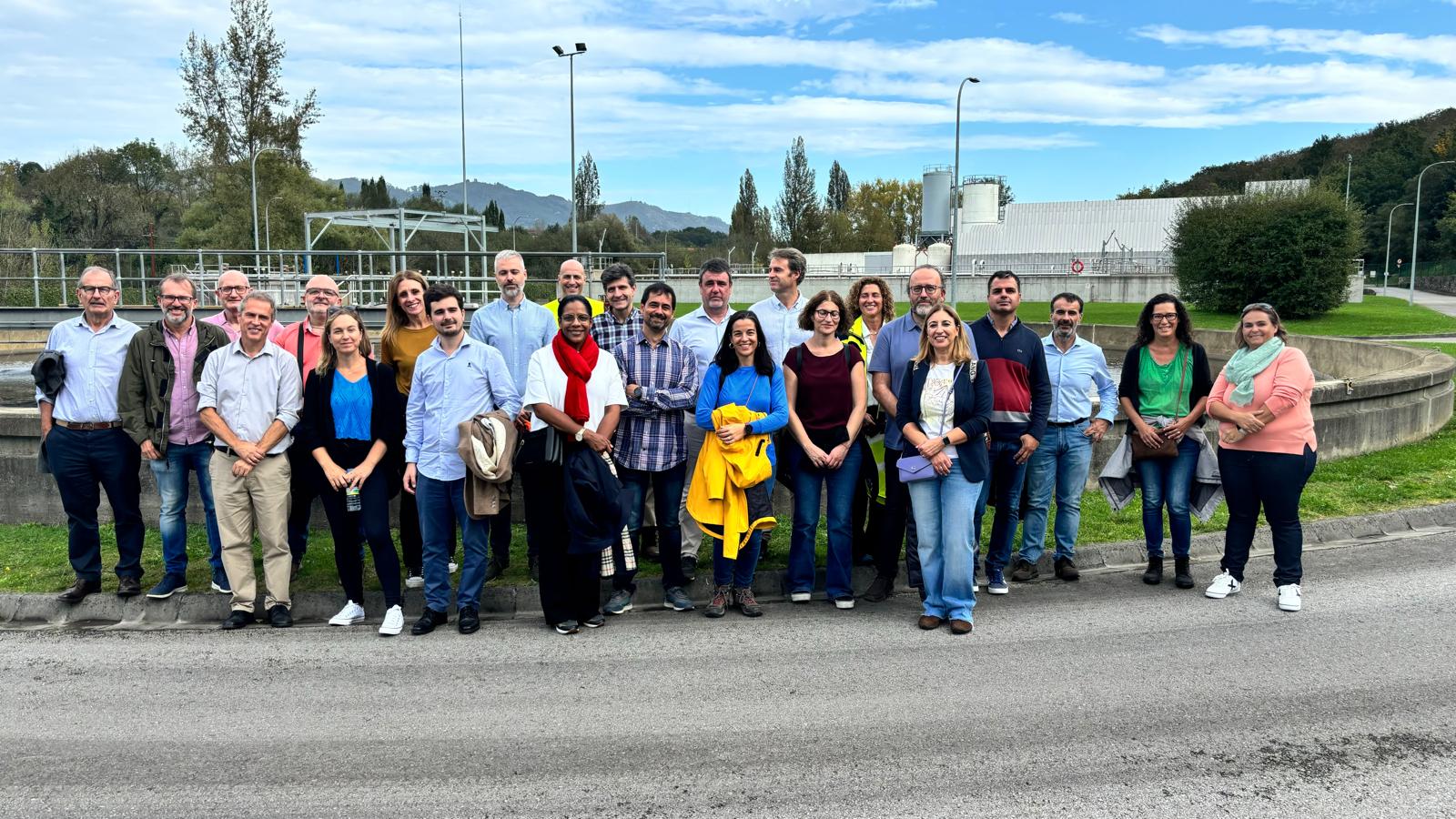
The Odour Group (GO) of the Spanish Association of Water Supply and Sanitation (AEAS) is a very active group within this association. This group has been working for several years on the results of a survey designed to assess the cost of odour management in WWTPs and sanitation networks serving more than 10,000 equivalent inhabitants in Spain. Finally, after multiple coordination meetings over the past year, this much-awaited study on the state of odour management in Spain's urban wastewater infrastructure has been published.
The aim of this study, based on a similar one carried out by WEF a few years ago, was to evaluate the different aspects related to the cost of odour management. This evaluation was carried out through the analysis of 400 responses received from operators and managers of plants, in which they were asked for data such as the odour control systems used, operational and maintenance costs, the economic cost of managing odour-related incidents, and design costs.
Read More
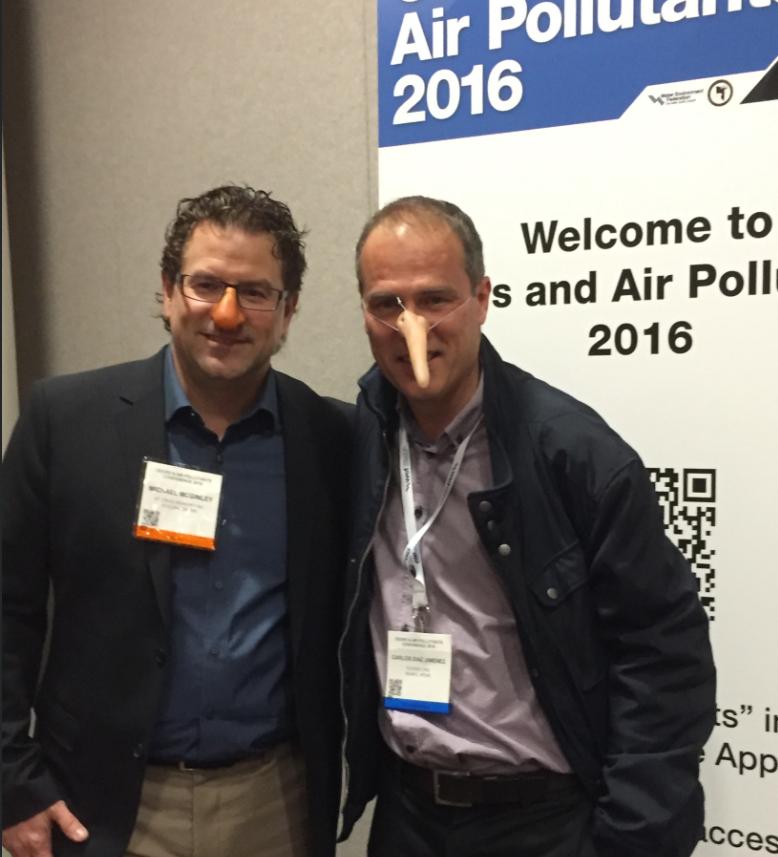
The members of AMIGO proposed celebrating "Odour Day" in some way. However, the first question was: when should it be celebrated? Several dates were discussed, as there are already "Odour Days" in places like the USA, though the history behind them was not known. In the end, 2nd December was proposed as Odour Day, as it marks the date of the first meeting that led to the publication of the first international standard to measure odour in 1991.
Last year we recorded some videos with some friends to celebrate this day, but today, we would like you to celebrate this day in a different way. We would like to invite you to celebrate this day in some smelly way. In a good smelly way ;-). With a delicious freshly baked cake, savoring the aroma of coffee or with the scents of a good glass of wine. Congratulations odour managers, today is your day!
Read More

We are pleased to announce that the provisional program for the new edition of the International Congress on Odors in the Environment, OLORES·25, is now available. The event, which will be held in Santiago, Chile, on April 9 and 10, 2025, is organized by the AMIGO association and the website Olores.org, with the sponsorship of the Ministry of the Environment of the Government of Chile.
With over 20 presentations distributed across specialized sessions and various scientific posters, OLORES·25 will bring together experts, professionals, and researchers in the field of odor management. The sessions will cover key topics such as: Policies and legislation, Olfactometry and Modeling, IOMS and other sensors, Citizen science, Odor control and mitigation.
Read More

As we bid farewell to 2024 and welcome 2025 with open arms, all of us at Olores.org would like to take this opportunity to wish our readers a joyful holiday season. This is a time to celebrate the moments that matter most—spending time with loved ones, reflecting on the achievements of the past year, and sharing hope for the future.
Whether you’re celebrating with festive traditions or enjoying some quiet moments of rest, we hope your holidays are filled with peace, happiness, and warmth.
Read More
SPECIAL CONFERENCE ODORA'24
As you probably know, Olores.org organized the ODORA'24 Conference during November 5-6, 2024 at the BEC, Barakaldo, Spain. These events bring together engineers, scientists, researchers, students, local authorities, managers and other professionals to address and discuss emerging odor problems. This event was attended by more than 120 people, coming from 9 different countries, and more than 30 papers were presented.
That said, we are happy to gradually share the abstracts of the papers presented, and the videos and PPT files in Spanish of those who have given their permission to publish them.
Enjoy the reading!

This study identifies the most significant odor compounds in pig and poultry farms to better understand odor issues and develop effective management strategies
A literature review and compound analysis revealed common substances like methanethiol and trimethylamine, as well as specific ones like hydrogen sulfide in pig farms and acetaldehyde in poultry farms. The study emphasizes the importance of proper odor management on farms to mitigate negative impacts on health and the environment.
S. Gorbeña 1, J. Aniz 1, A. Antón 2, C. Izquierdo 2, C. Díaz 2*
Read More

The emission of unpleasant odors in wastewater treatment plants is mainly due to the treatment of biological sludge, due to its high organic matter concentration. This study, conducted by CENTA in Carrión de los Céspedes (Seville), evaluates the efficiency of organic matter and nutrient removal, as well as the derived odor emissions from various technologies.
The highest odor emission rates were found in anaerobic lagoons, facultative lagoons, and septic tanks. Two indices were defined to relate odor emissions to the efficiency of organic matter removal (OGIC) and combined organic matter and nitrogen removal (OGICN). The highest efficiency values were found in free-flowing gravel wetlands and anaerobic lagoons. A principal component analysis grouped the technologies evaluated based on hydraulic retention time and pH.
Gutiérrez, M.C. 1*, Martín, M.A. 1, Ruiz-Muñoz, A. 1, Márquez, P. 1, Toledo, M. 2, Salas, J.J. 3, Siles, J.A. 1
Read More
Read older Newsletters here.
|
|




