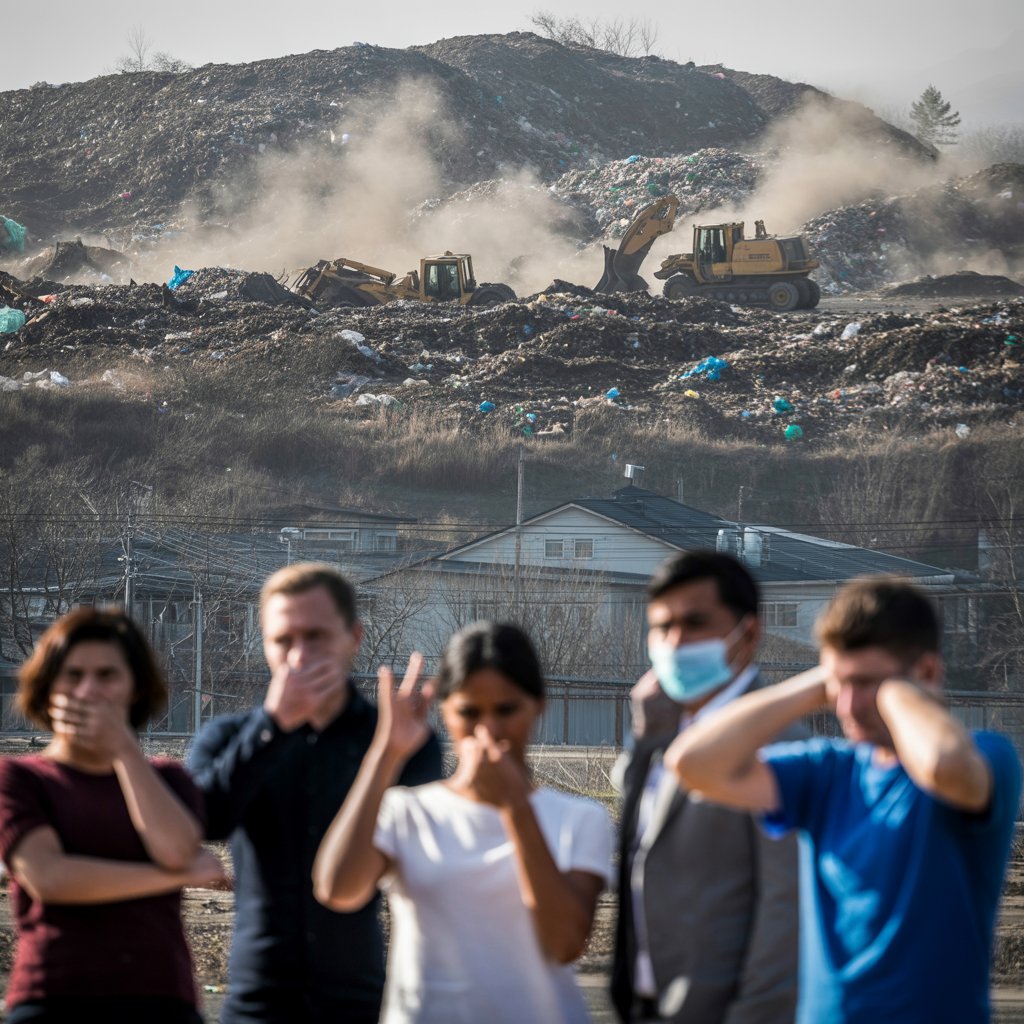
The kick-off meeting for drawing up the Best Available Techniques REFerence document for Landfills (LAN BREF) took place as a hybrid event from 6 to 9 October 2025, gathering 166 experts—82 in person and 84 online—representing EU Member States, Norway, industry, environmental NGOs, the European Chemicals Agency (ECHA), and European Commission services. This meeting launched the process of developing a standalone BAT reference document specifically for landfills, reflecting their importance and complexity within waste management.
On 17 August 2025, the European Commission published the Decision establishing the BAT conclusions for Waste Treatment (WT) in the Official Journal of the EU. This BREF focuses on waste treatment technologies but intentionally left landfills out of its scope. The decision to exclude landfills was made deliberately to allow for a dedicated and more comprehensive BAT document addressing landfill-specific issues, which is now being developed through the ongoing LAN BREF process.
The LAN BREF will support the implementation of the Industrial Emissions Directive by providing technical guidance to minimize environmental impacts from landfill sites, addressing odour emissions, water, and soil, along with resource efficiency and site closure practices. The collaborative process led by the European Integrated Pollution Prevention and Control Bureau fosters involvement from relevant stakeholders to ensure these best practices are grounded in the latest science and sector experience.
If you are interested in developments in EU environmental policy or waste management, tracking the progress of the LAN BREF over the next years will be important, as its conclusions will set the operational and permitting standards for landfills across Europe.
Publication of the BAT conclusions of the LAN BREF will potentially be occurring around 2030 or later, given the standard procedural steps followed by the European Integrated Pollution Prevention and Control Bureau (EIPPCB).
If you find this article interesting, you might be also interested in these articles:
- Published 2 new BREFs bringing more requirements on odour management
- The first draft of the BREF on Waste Treatment (WT) has been issued
- Final TWG meeting for the review of the Waste Treatment (WT) BREF
- New Best Available Techniques Reference Document for the Foundries and Smithing Industry: Focus on Odour Management
- The First odour emission limit for 28 European countries is here