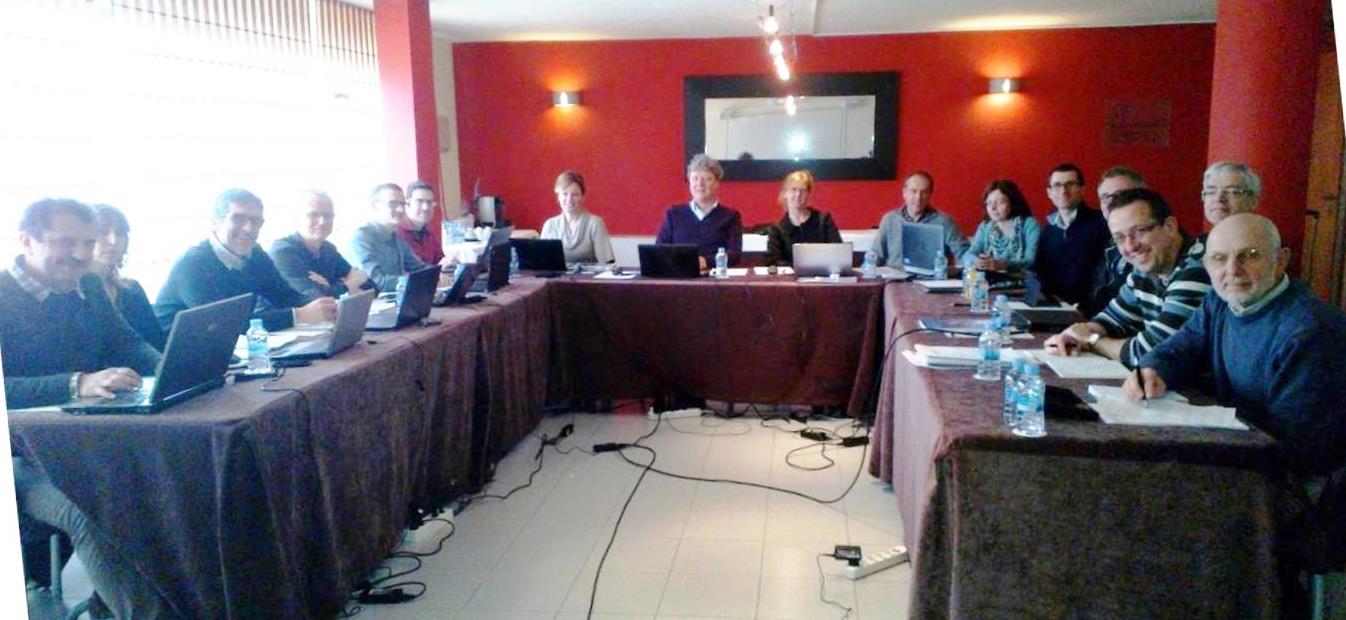
The existing standard EN 13725, first published in 2003, requires revision. The 7th meeting of the group that deals with the revision of the EN 13725 just took place in the very nice city of Barcelona. The document is being written slowly, almost paragraph by paragraph, but very steady and thoroughly. With a frequency of 2-3 meetings per year, I think the document will be ready being optimistic around 2017, but this is a personal statement here.
Taking into account that the first meeting took place in November 2012, I think that the rhythm is very steady although there are several key issues that are being left to the end due to the lack of information in some cases or in other cases due to a conflict between points of view.
The initial 267 documents of information has grown to almost a hundred norms, a few hundreds of papers, notes, presentations and communications.However, it seems that it will be necessary to do quite a bit of research during the time-line of development of the Norm.
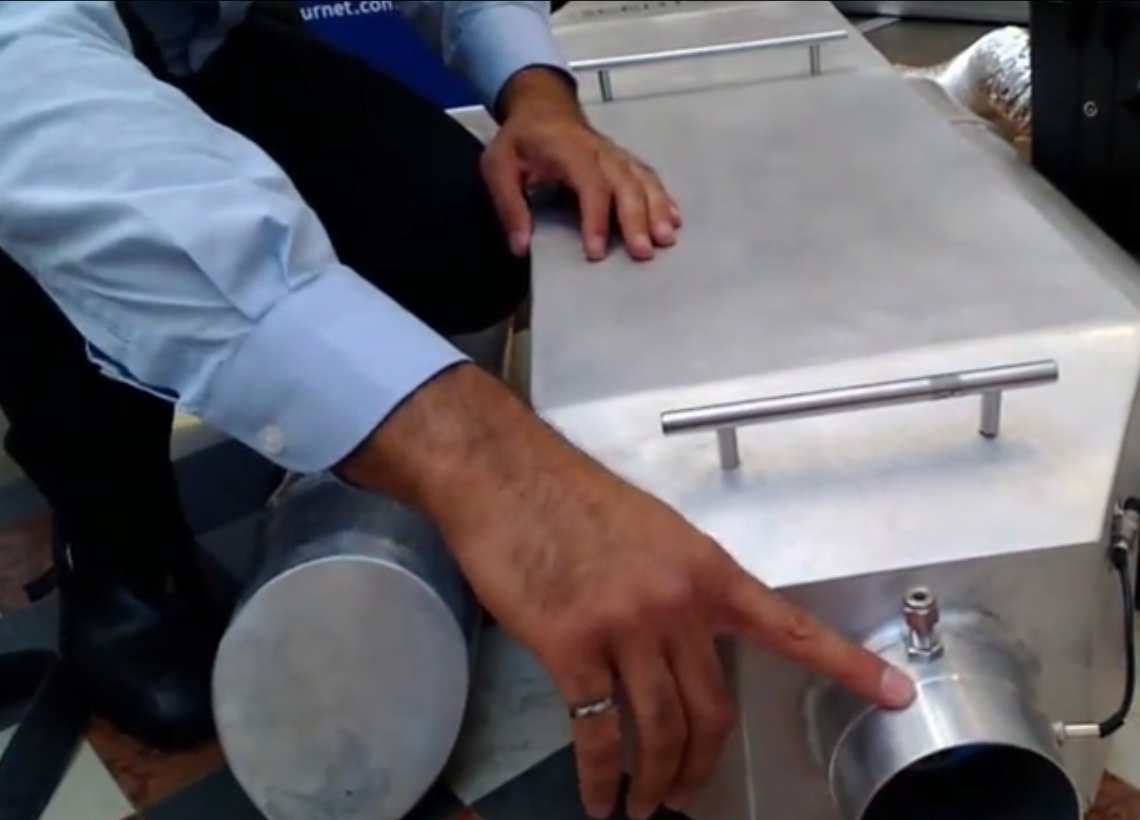 Scentroid, a very active Canadian manufacturer has presented in the recent NOSE 2014 in Venice their new wind tunnel, the SW60. This very light weight wind tunnel for sampling odours is made of aluminium/composite panels and it has a coating inside of PTFE. In addition, the wind tunnel comes with an internal air supply and tubing with an internal rechargeable battery to do the surface sampling in passive sources easier.
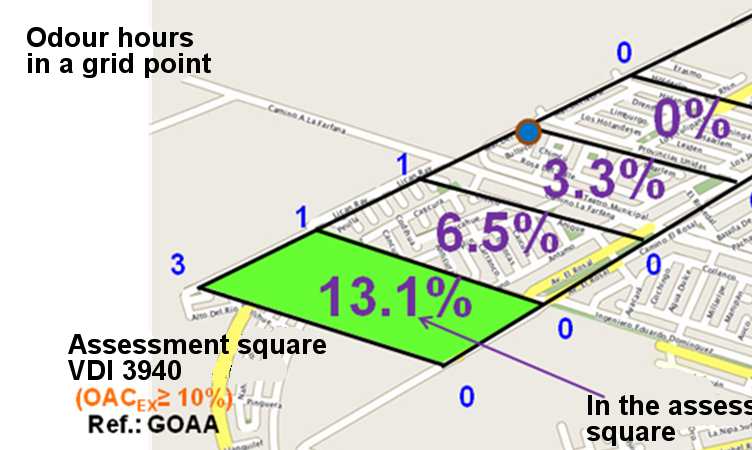 The size and location of the sewage water treatment plant La Farfana, in Santiago de Chile, has implied different requirements in terms of monitoring gas odorant and odour, both inside the plant and in its populated environment. The aim of this work is to present the various gas and odour monitoring systems, measured at the emission sources, as in the places in which receptors are found.