There is no translation available.

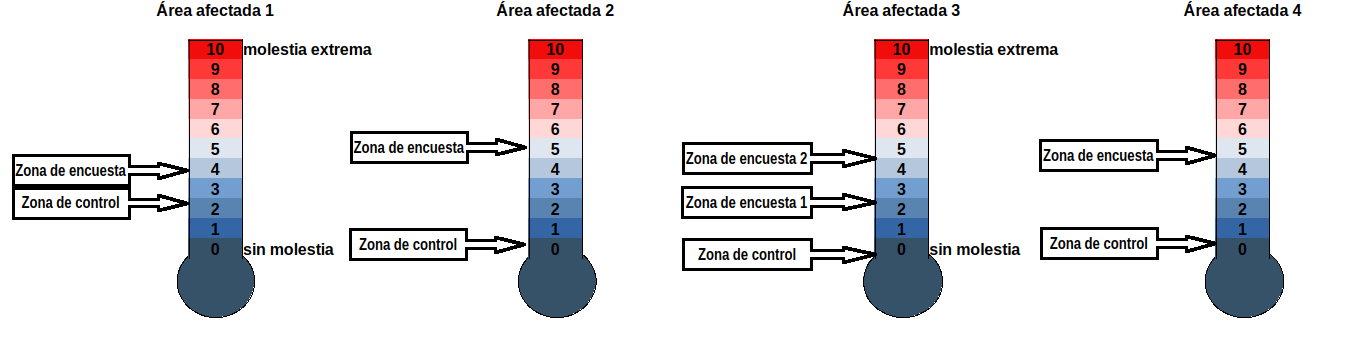
  Chile’s first odour regulation for pig farming, enacted in 2023, prompted an evaluation of its social impact.

   A survey in four affected regions showed significantly higher annoyance levels than in control areas, with women reporting more behavioural adaptations. While no gender differences were statistically significant, the study highlights the need for larger samples and better implementation strategies. The methodology could also be applied to assess odour regulations in other industries.

G. Schleenstein1 y D. Caimanque2

1 Ecotec Ingeniería Ltda., José Victorino Lastarria 70 of. 213, Santiago de Chile
2 Ministerio del Medio Ambiente, San Martín 73, Santiago de Chile
* gs@ecotec-ingenieria.cl

There is no translation available.

   OdourCollect is an innovative citizen science platform developed to enhance the monitoring and management of odour pollution, especially in complex settings with multiple emission sources.

   By actively involving local communities in the detection and reporting of odour events, the platform produces collaborative, real-time odour maps that are integrated with meteorological and regulatory information. This participatory methodology not only improves the characterisation and localisation of odour impacts but also facilitates compliance with the UNE 77270:2023 standard. Consequently, OdourCollect serves as an effective tool for environmental consultants, public authorities, and citizens to comprehensively manage odour-related environmental challenges.

R. Arias* & J. Burbano

Science for Change, C. de Vilamarí, 50, Planta 7, Eixample, 08015 Barcelona
* rosa.arias@scienceforchange.eu

There is no translation available.

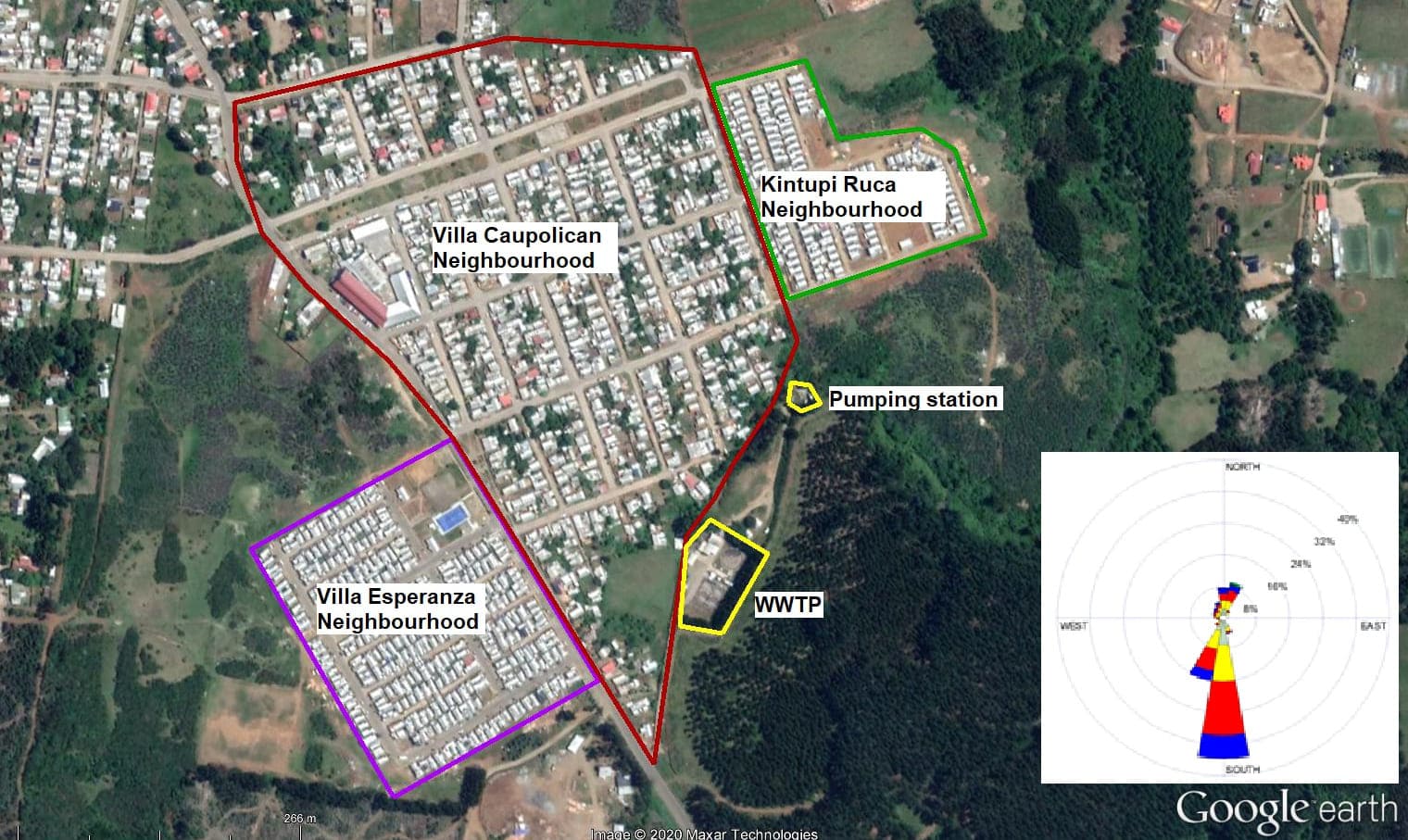
   Increasing citizen demands for better environmental quality have led Chile, a party to the Escazu Agreement, to adopt participatory monitoring in environmental assessments, including for odour pollution.

   This work aims to compare the D-NOSES citizen-based odour data collection method with traditional assessment approaches. The study will evaluate the consistency of citizen-reported odour observations using an odour annoyance index. This assessment is crucial to validate the reliability of citizen-generated odour measurements.

N. Muñoz* & G. Schleenstein

Ecotec Ingeniería Ltda., José Victorino Lastarria 70 of. 213, Santiago de Chile
* nmunoz@ecotec-ingenieria.cl

Plus d'articles...

All the content here under Creative Commons license