
Powstaje nowa grupa robocza, której zadaniem jest opracowanie wartości orientacyjnych do oceny zapachów w środowisku naturalnym w oparciu o hiszpańską normę UNE 77270 „Wspólne mapowanie zapachów w ramach nauki obywatelskiej”. W skład grupy wejdą przedstawiciele organów publicznych, firm konsultingowych, ośrodków badawczych, grup społecznych oraz zakładów przemysłowych, których działalność może powodować uciążliwości zapachowe.

Pierwsze spotkanie grupy odbędzie się 13 stycznia 2027 r. o godz. 15:30 czasu środkowoeuropejskiego (czasu hiszpańskiego). Celem jej prac jest pomoc w ustaleniu wspólnego podejścia do projektów wykorzystujących normę UNE 77270, opierając się w miarę możliwości na badaniach zależności dawka–efekt, a w przypadku ich braku – dążąc do osiągnięcia konsensusu wśród uczestników. Norma UNE 77270 nie jest jedyną normą w tej dziedzinie. Inicjatywy mające na celu standaryzację nauki obywatelskiej w zakresie oceny zapachów są już realizowane we Włoszech i Chile. Czytaj dalej, aby dowiedzieć się, dlaczego ta inicjatywa została uruchomiona i jak w niej uczestniczyć.
There is no translation available.

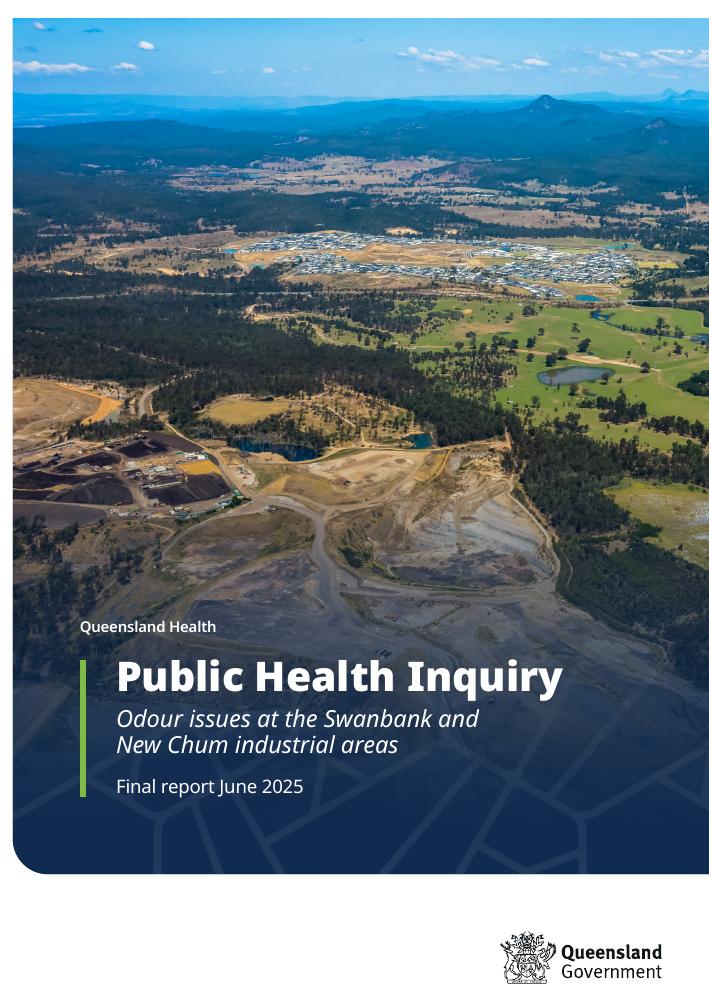
   In Ipswich, Queensland, Australia residents have for some time reported persistent odours coming from nearby industrial and waste facilities at Swanbank and New Chum. These odours have caused discomfort and concern among the community, with some attributing health issues like respiratory problems and nausea to the pollution. The situation prompted local leaders and government authorities to take notice after many residents raised complaints.

   To address these concerns, a Public Health Inquiry was initiated by the government to investigate the impact of these odours on community health. The Inquiry aimed to collect evidence and testimonies from residents, experts, and industry operators. The goal was to assess the extent of harm, identify causes, and recommend actions. The final report from the Swanbank Public Health Inquiry has been finally published this Wednesday, 19 November, and can be accessed at this link.

There is no translation available.

  Chile’s first odour regulation for pig farming, enacted in 2023, prompted an evaluation of its social impact.

   A survey in four affected regions showed significantly higher annoyance levels than in control areas, with women reporting more behavioural adaptations. While no gender differences were statistically significant, the study highlights the need for larger samples and better implementation strategies. The methodology could also be applied to assess odour regulations in other industries.

G. Schleenstein1 y D. Caimanque2

1 Ecotec Ingeniería Ltda., José Victorino Lastarria 70 of. 213, Santiago de Chile
2 Ministerio del Medio Ambiente, San Martín 73, Santiago de Chile
* gs@ecotec-ingenieria.cl

Więcej artykułów…

All the content here under Creative Commons license