There is no translation available.

   The Institute of Air Quality Management (IAQM) has announced an open consultation period for its newly developed guidance, "Good Practice on Air Quality Monitoring for Brownfield Projects." This document has been collaboratively created by a dedicated cross-sector working group, comprising members from the IAQM itself and the IES Land Condition Community and it is now open for comments. The consultation period will be for four weeks and will close at 5pm on Monday 15th July.

   Sites that previously hosted an industrial plant (known as Brownfield sites), present valuable opportunities for revitalizing inner city areas and supporting urban growth. In the UK, planning policy encourages a “Brownfield First” approach, prioritizing the redevelopment of previously used land. However, these sites often require extensive cleanup to address contamination—particularly from hydrocarbons and chlorinated compounds—which, if left untreated, can seep into the soil, groundwater, and surface water, posing environmental risks. Often these areas emit odours that could affect people living in that area after development.

There is no translation available.

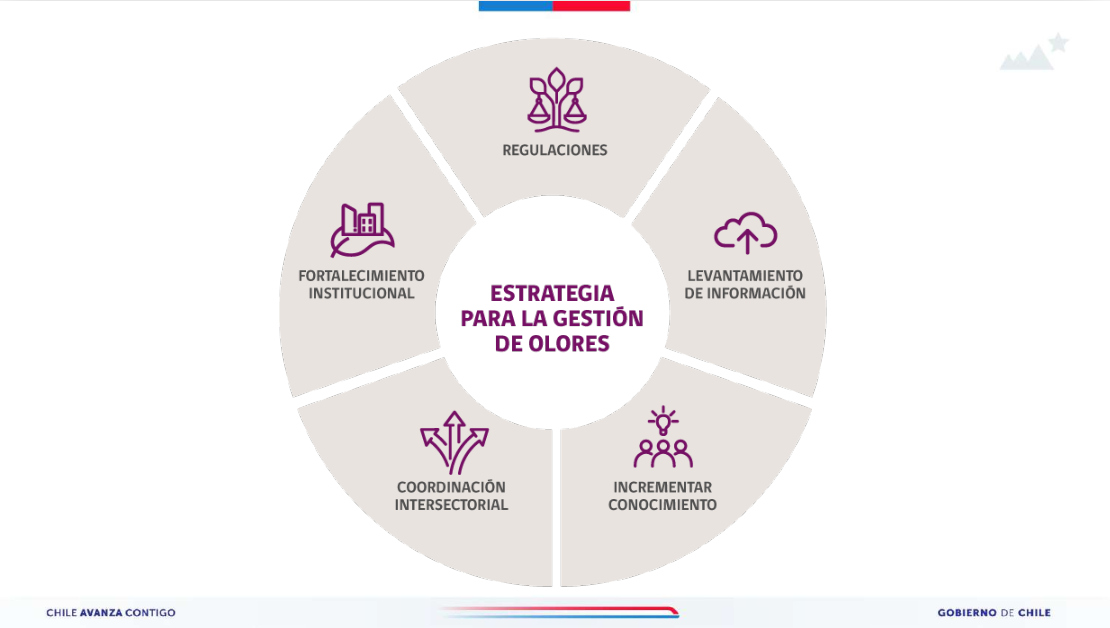
   This guide is designed to help municipalities create ordinances to regulate and control nuisance odors as part of their legal responsibility to manage urban environmental quality.

   Under Article 25 of Law 7/1985 (as amended by Law 27/2013), municipalities must manage the urban environment—including protection from noise, light, and air pollution—according to state and regional laws.

G. Arisa1, R. Bustos2, C. Izquierdo3, J. Burbano4, A. Amo5

1 Av. Corts Catalanes, 5, 08173 Sant Cugat del Vallès, Barcelona / Nave 3
2 Avda. Joaquina Eguaras nº2 -18013 Granada
3 C/Uribitarte, Nº6, Planta Baja. 48001 Bilbao
4 C/ Vilamarí, 50 Barcelona
5 Parque científico de Alicante, Zona ampliación del Campus  Nave 6, 03690 Sant Vicent del Raspeig (Alicante)

*antonio.amo@suez.com

SNPA 2025
There is no translation available.

   The Italian National Environmental Protection Agency Network (SNPA) has published updated guidelines titled "Emissioni Odorigene: Elementi di Riferimento e Approcci Metodologici per il Monitoraggio" (Odour Emissions: Reference Elements and Methodological Approaches for Monitoring). This technical document, approved in January 2025, replaces the 2018 framework and introduces cutting-edge solutions to address one of Italy's most persistent environmental challenges: odour pollution.

   Developed by specialists from 20+ regional environmental agencies (ARPA) and ISPRA, the guidelines reflect Italy's most comprehensive odour management strategy to date. Because this guideline is written mainly by regulators, it has an extensive chapter on the diferent regulations related to odour management nationwide and also at a regional and a local scale. There you will see Italy's fragmented regulatory landscape, with regions adopting different approaches to odour management ranging from composting regulations (Lombardy) to integrated prevention measures (Basilicata). The SNPA 2025 guidelines aim to harmonize these framework.

Weitere Beiträge …

Unterkategorien

All the content here under Creative Commons license