Lakes Environmental Software has announced the acquisition of the CALPUFF atmospheric dispersion modelling system from Exponent. This transaction, confirmed on 5 May 2024, marks another step in the evolution of CALPUFF, a model widely used by researchers, environmental consultants, and regulatory agencies globally.

    CALPUFF is a US EPA Guideline model for all applications > 50km, it is also the guideline model for all near-field applications where the steady state assumption does not apply, i.e., complex terrain and complex meteorological environments (Sea breeze, boundary layers, etc.). In addition, it is a model widely used in odour modelling. The code of this model, while being publicized as "freely available," is not open source, as far as we know. Over the years, the ownership of the code has changed from SRC to TRC, Earth Tech, Exponent, and now Weblakes.
   The team developing the high-resolution model system GRAMM/GRAL, inside the Institute of Thermodynamics and Sustainable Propulsion Systems at Graz University of Technology, has just released the new version 23.11.

   GRAL 23.11 has been compiled for .NET 8!
- The GRAL release is no longer published as an all-in-one file by default. This means that the user must install the .NET8 Runtime!
- For Windows users, a published version as a single-file is still available in a separate download!

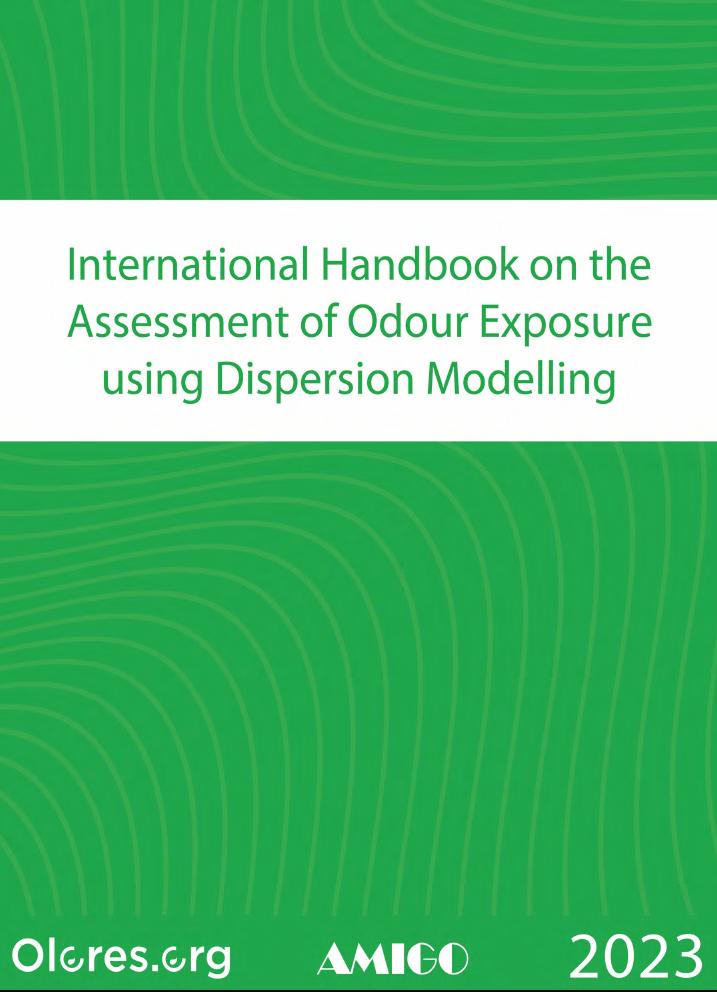
   We are thrilled to announce the culmination of three years of dedicated work resulting in the world's first international handbook focused on the assessment of odour exposure through dispersion modelling. This initiative aimed to bridge a gap in existing guidelines for odour management and other guidelines related to dispersion modelling and now the first edition is available for download.

   The handbook tackles the intricacies of modelling odours, acknowledging the unique characteristics of odour incidents often perceived in seconds or minutes, thereby challenging traditional dispersion modelling modes. Emphasizing exposure is critical for accurately calculating the impact of odours on ambient air, particularly during calm or very low wind speeds when dispersion is constrained.

More Articles …

All the content here under Creative Commons license