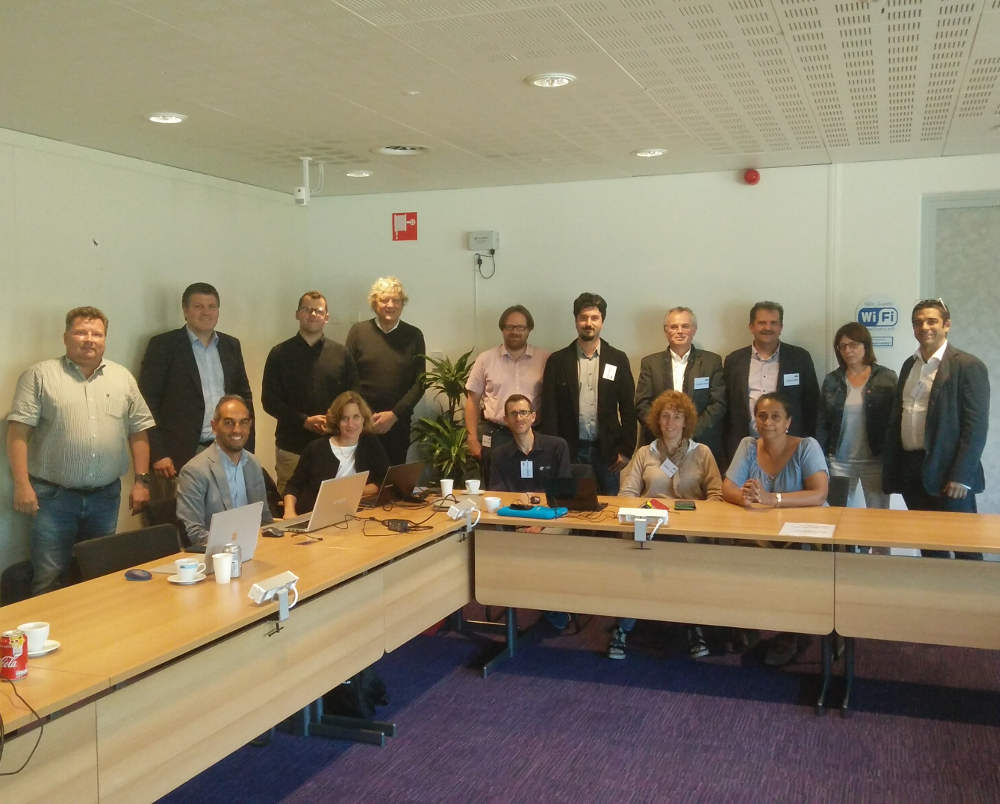
 The last 19th and 20th of June, the Working Group 41 dealing with Instrumental Odour Monitoring met in Delft, the Netherlands for a couple of days of intensive discussions. One of the Task Groups (TG) dealing with the minimum requirements for instrumental odour monitoring, presented some interesting points discussed in a previous meeting in Düsseldorf, Germany.
A follow-up discussion was held afterwards on the 11th of July in Gosselies, Belgium.
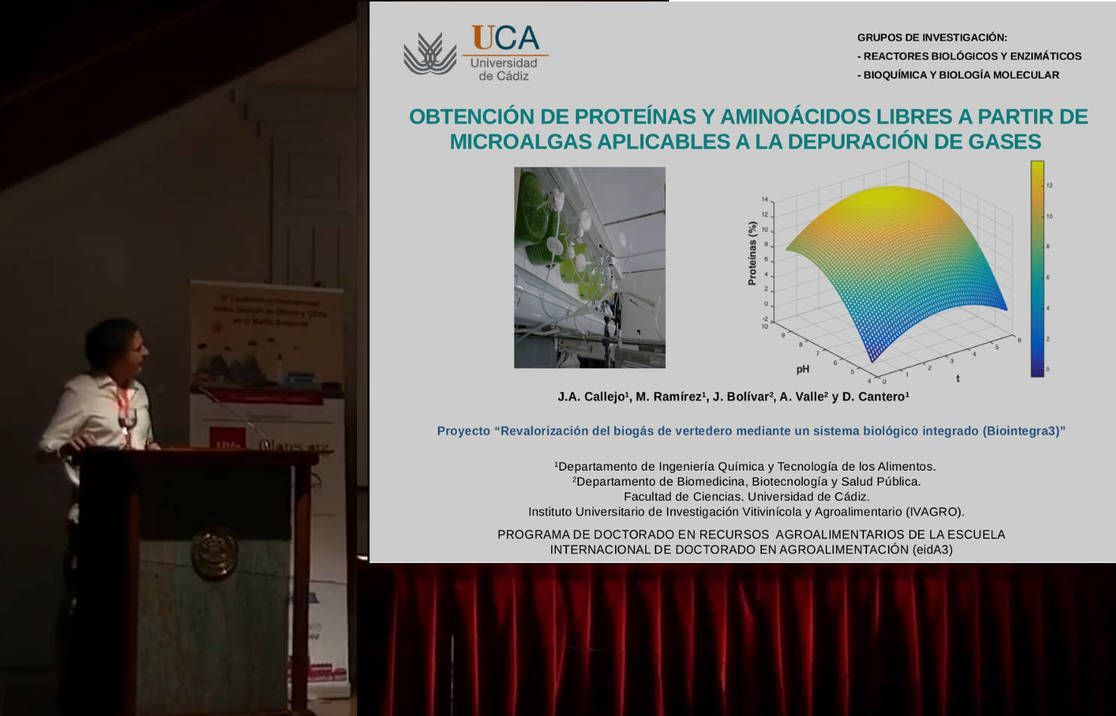 The use of microalgae in integrated gas purification processes has taken a special interest in recent years, mainly due to its ability to capture CO2. These applications involve the generation of biomass that can be used to obtain bioproducts and/or bioenergy.
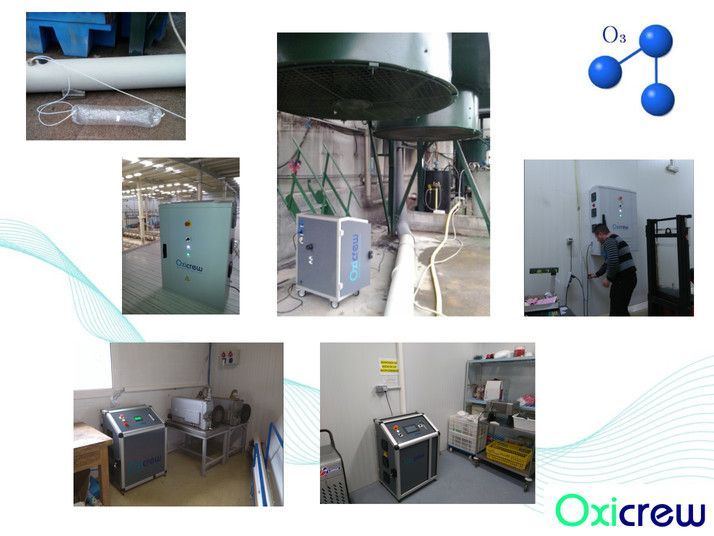 The purpose of this article is to evaluate the effectiveness of the ozone technology. In this case study, an ozone unit was inserted after a chemical scrubber. Odour samples were taken before the scrubbing, after the scrubber (and before the ozone unit), and after the whole set of abatement. Very high efficiencies were found.