There is no translation available.
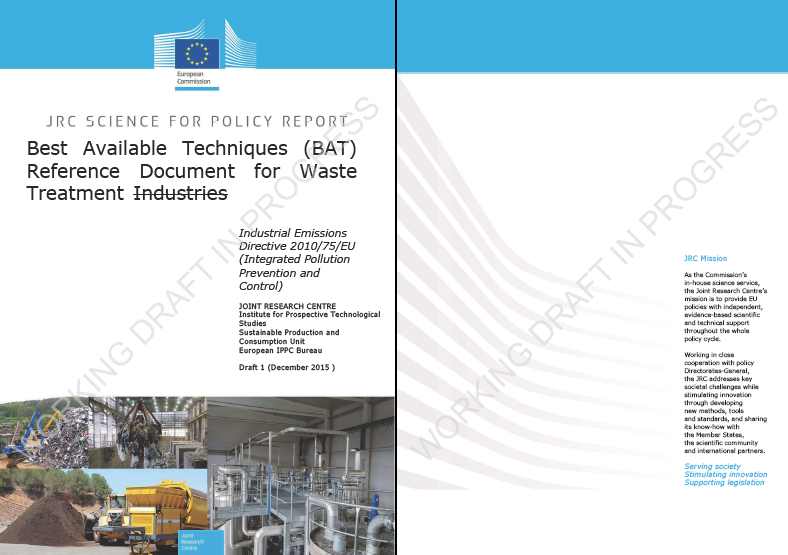 The first draft of the BREF (Best Available Techniques (BAT) Reference Document ) on Waste Treatment (WT) has been issued on 18/12/2015 and the word "odour" appears 251 times. This is a measure of the importance of the odour management in this BREF. For example, in the recently reviewed and final Draft of the BREF Document for the Production of Pulp, Paper and Board, the word odours appears 148 times.
This is a good opportunity to revise the Draft and send some comments concerning the odour management field, for those of you who are involved in odour regulations. For example, for emissions to air from mechanical treatment of waste with calorific value there is a tipical range of 274 to 1020 ouE/m3.
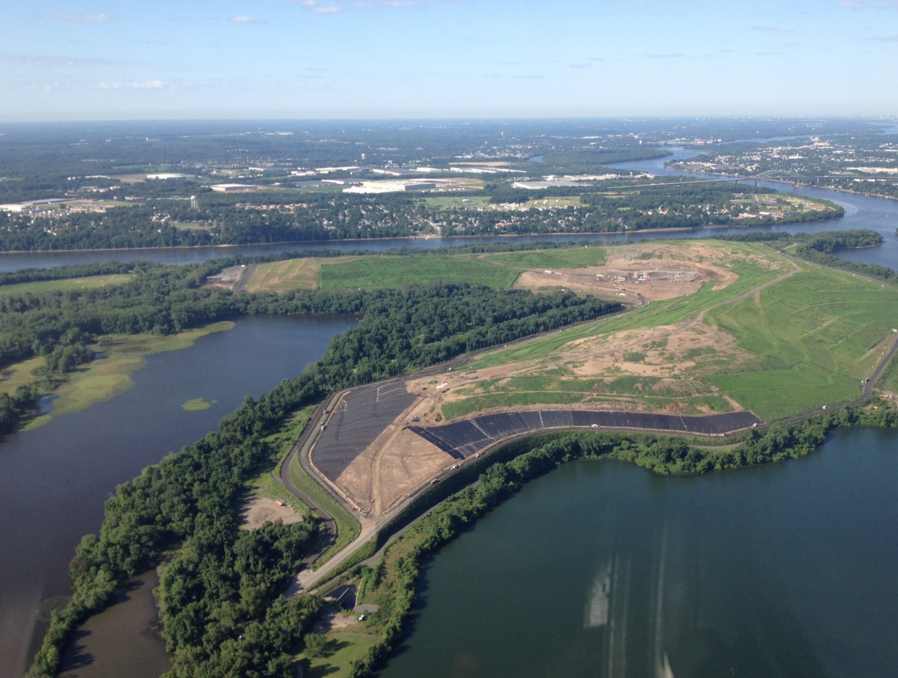 Tullytown is located in Burlington County in the U.S. state of New Jersey. There, the corporation Waste Management, Inc, (WM) runs the Tullytown landfill since the eighties. This is one of the 293 active landfill disposal sites that this company manages, but this one is special because this landfill receives several odour complaints from the community. The odour annoyance was so noticeable that the Waste Management had to agree to pay $2 million to settle a
 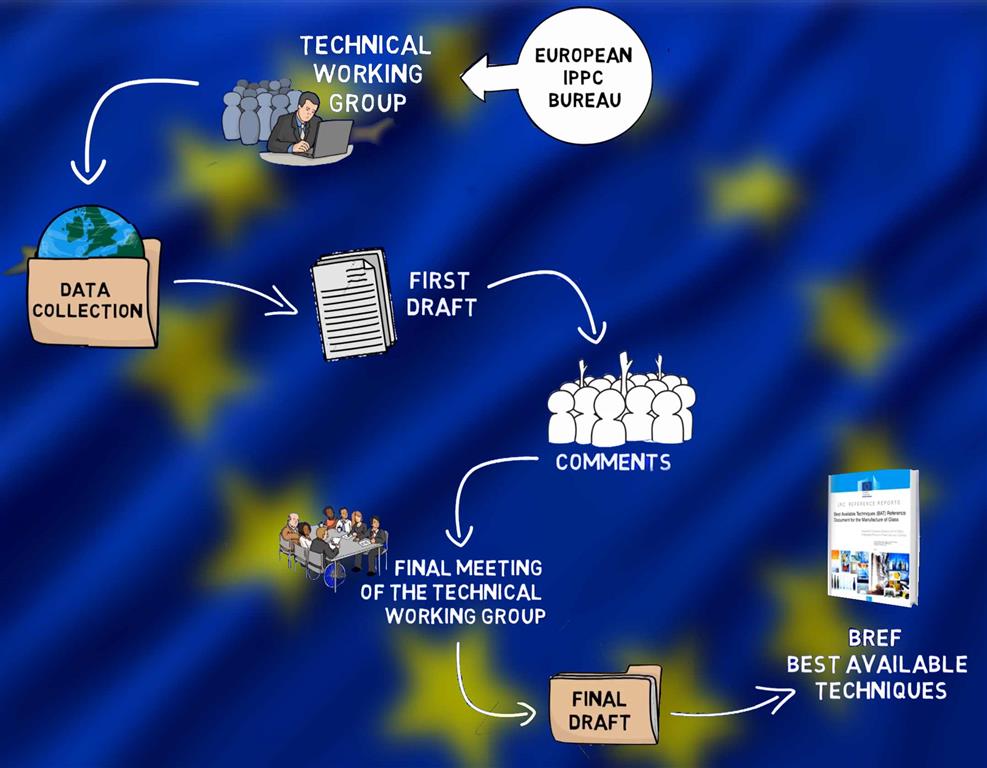 The final draft of the BREF for the Intensive Rearing of Poultry or Pigs (IRPP)