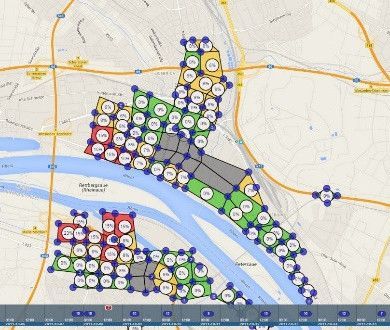
 Environmental odour management today offers a variety of building blocks, ranging from the use of state-of-the-art technology to the implementation of various methods, which are based on national and international guidelines and standards. These range from odour monitoring approaches using trained human sensory panels and citizen science, real-time and forecasted dynamic dispersion modelling, trajectory and back-tracking calculations, but also sensor systems which are making use of gas sensors to detect and quantify key odorants of odour sources.
Although all of these technologies and methods can help to increase the understanding of potential origins of odour related problems, most solutions available in the market only allow an isolated consideration of the acquired data. Depending on the specific scenario and related questions, however, the right combination of these building blocks is often key to get full clarity on the odour emission and / or impact situation. A flexible platform like Ortelium allows to combine data channels, so that a more meaningful picture of the odour situation can be established.
C. Mannebeck*, M. Andresen
Olfasense GmbH, Fraunhoferstr. 13, 24118 Kiel, Germany,
*cmannebeck@olfasense.com
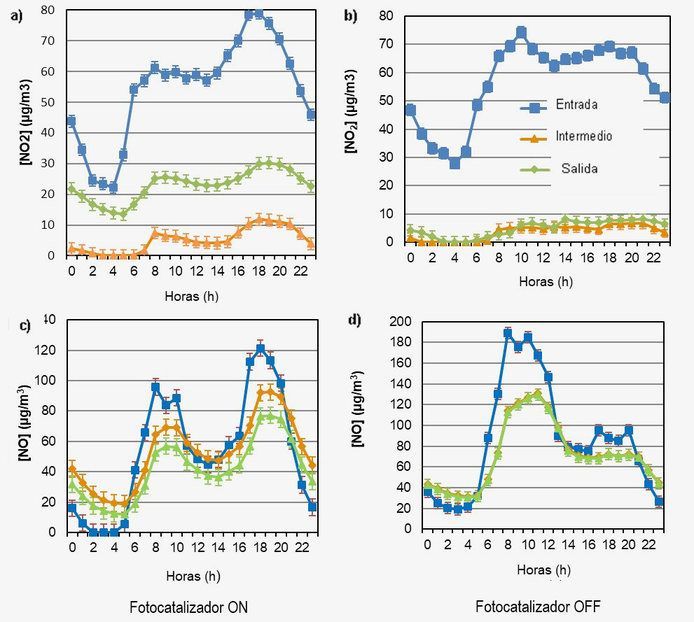 Indoor air pollution is one of the biggest concerns in terms of public health. In France, it was estimated that indoor air pollution would bring about a socio-economic cost of around 20 billion euros per year. In this context, the treatment of this kind of pollution has become an important challenge.
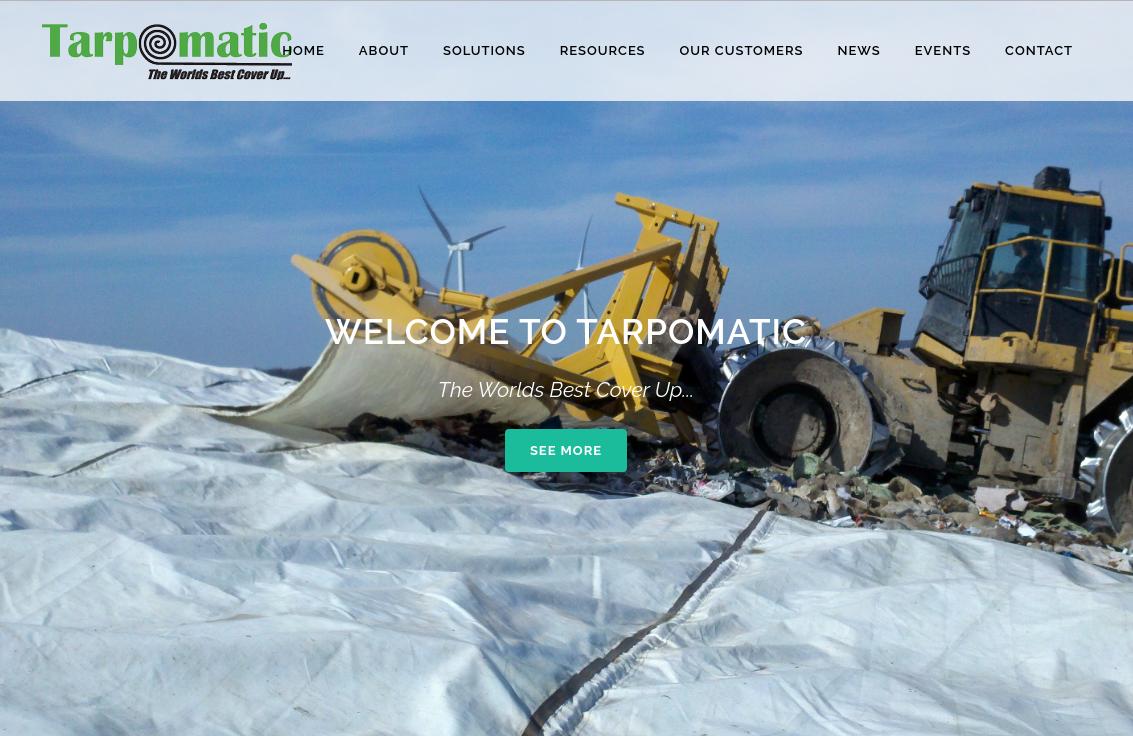 Tarpomatic is a daily cover that is placed on the tip face of an active cell of a landfill. This solution was presented during the 2019