There is no translation available.
 CALPUFF Version 7.3.1 has been released. This version incorporates an agricultural spraying source type. In addition, several bugs were identified and fixed in Version 7.2.1 including issues with the use of multiple sub-hourly variable emissions files and processing missing layers in AERMET generated .PFL files. This model is out of the list of recommended models of the US EPA but it is the most appropriate under low wind/calm conditions that influence odour impact and with complex terrains.
The CALPUFF Modelling System is a non-steady-state puff dispersion model that simulates the effects of time- and space-varying meteorological conditions on pollution transport, transformation, and removal. In this CALPUFF has been updated to version 7.3.1. CALPUFF is composed of several post-processors. In this new version the post-processors CALPOST, CALSUM and POSTUTIL, have also been updated to allow processing of the new spray source type.
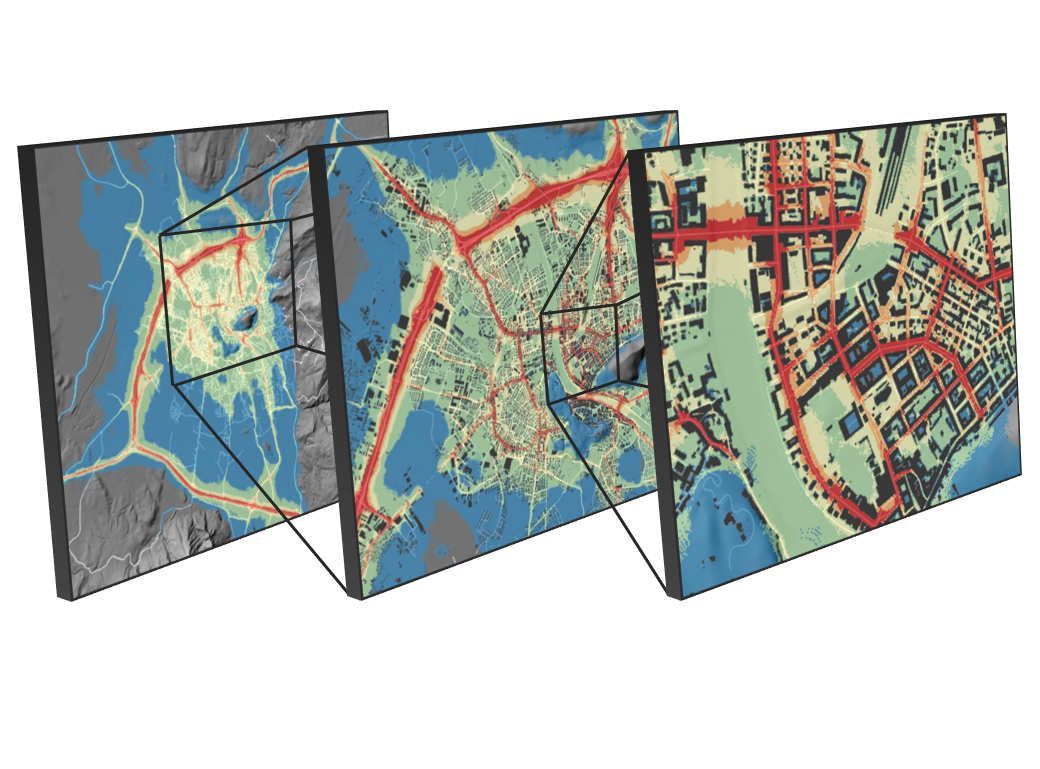 The Graz Lagrangian (GRAL) system is a closed-source Lagrangian particle model with a free Graphic User Interface (GUI) available in both Linux and Windows. This model has a special module focused on odour dispersion modelling and now, a new beta release has been distributed in the mail list of users, with an extensive list of changes.
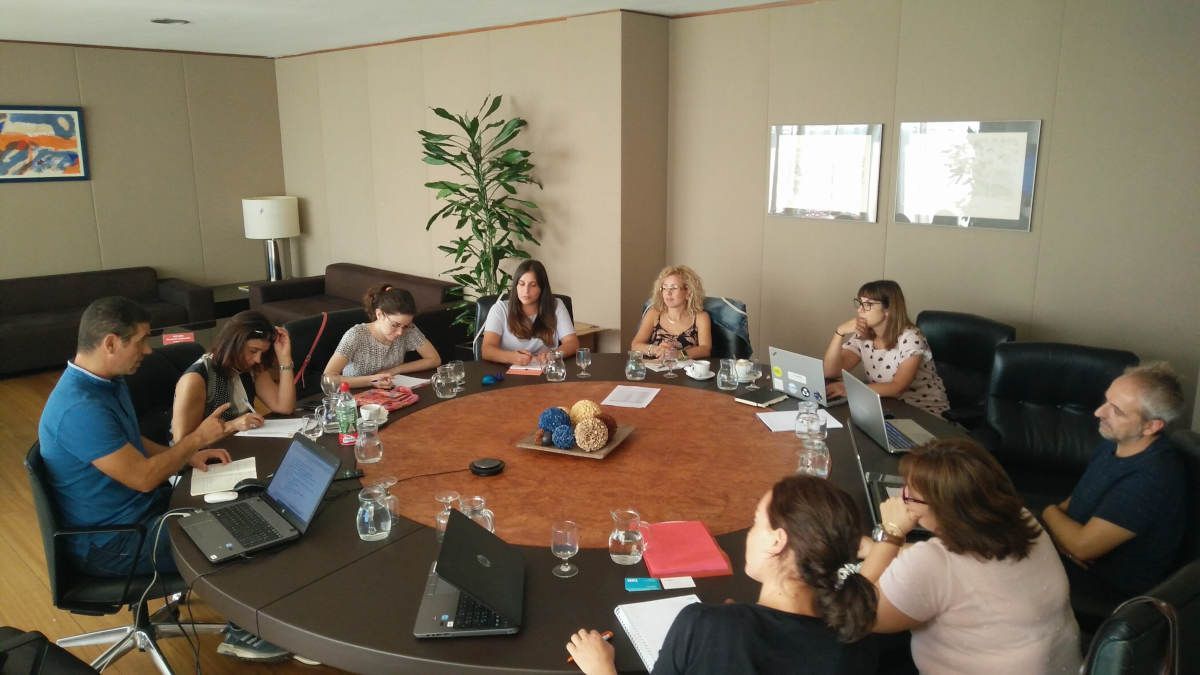 The first face-to-face meeting and fourth meeting in total of the group dealing with a new Spanish standard on the use of psychometry to map odours took place in Barcelona in September. A group of 10 experts met to discuss this new text that hopefully will become a new standard, but how is going to be named the text? Mapping odour? mapping annoyance? Collaborative mapping?