There is no translation available.
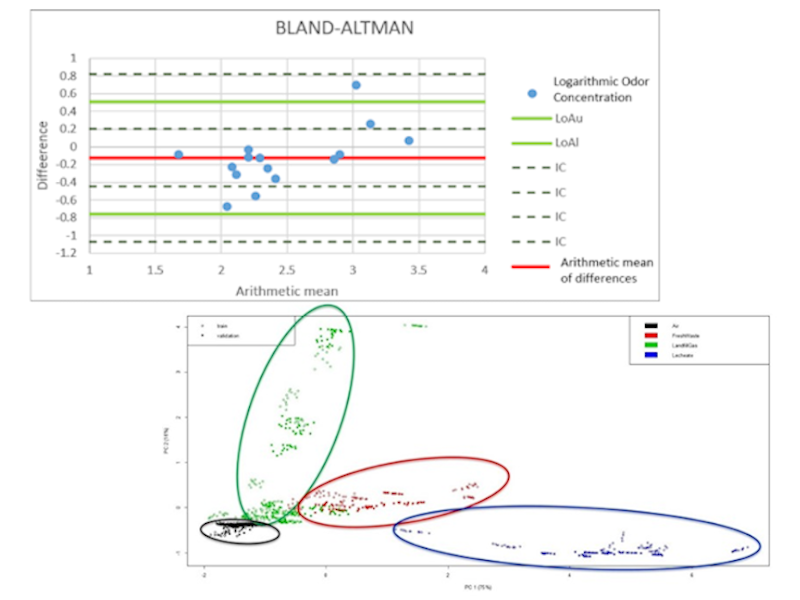 Instrumental Odour Monitoring Systems (IOMS) represent the only tool available for environmental monitoring capable to perform real-time characterization of ambient air. They have been commonly used to assess odour impact at receptors thanks to their capability to detect odours and identify their provenance. An emerging application of IOMS concerns the real-time monitoring of emissions at plant fencelines. To do this, IOMS must provide a fast and accurate measurement of the odour concentration.
The most common approach, currently applied for odour quantification models, involves simplified regression algorithms, neglecting the classification of detected odours before quantification. This results in poorly accurate estimations of the odour concentration since IOMS responses to samples having the same odour concentration, but representative of different sources, may differ significantly.
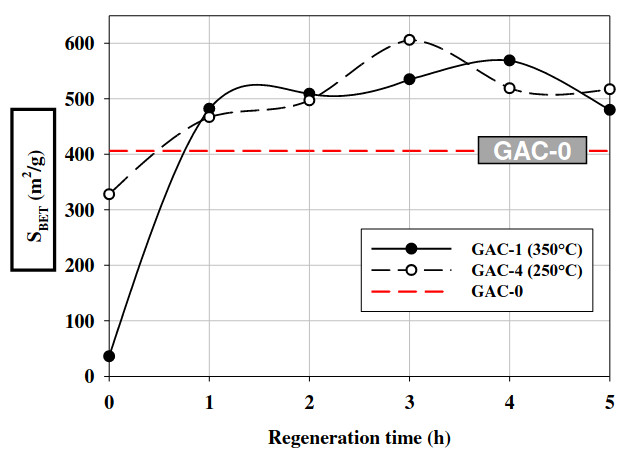 In this work, the physico-chemical, olfactometric and textural characterization of granular activated carbon (GAC) from the odor adsorbent beds of an urban wastewater treatment plant (WWTP), as well as the chromatographic quantification of the retained odoriferous compounds, were carried out.
 Alternative husbandry methods are playing an increasingly important role in terms of animal welfare. In order to ensure that odour pollution from freely ventilated "animal welfare-friendly" fattening pig houses can be adequately taken into account in odour surveys for approval procedures in Germany, the odour annoyance and respectively the hedonic odour effect was investigated in more detail starting from these types of houses.