There is no translation available.
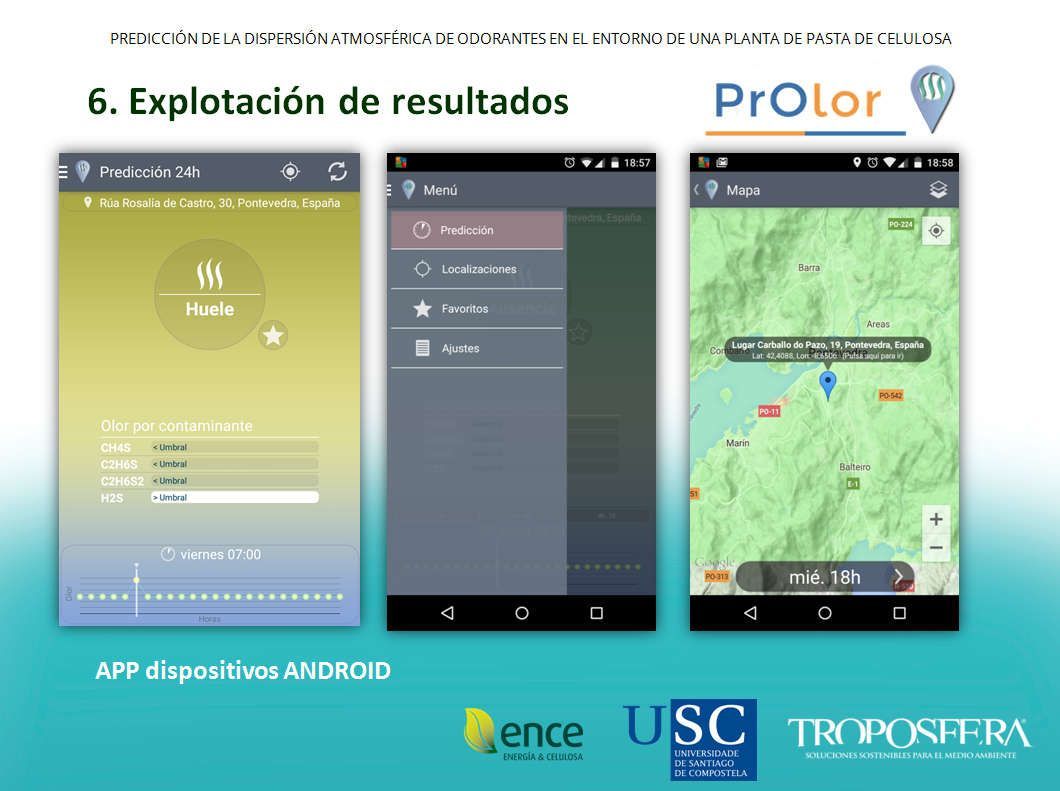 Traditionally, pulp mill plants using Kraft process produce TRS (Total Reduced Sulphur) odorants emissions; this is the case of ENCE-Pontevedra plant.
In this work, PrOlor operational system for odorants atmospheric dispersion forecast is presented, based in WRF/CALMET/CALPUFF models, and applied to prevent sporadic odor episodes around that plant.
D. Cartelle 1*, J.M. Vellón 1, A. Rodríguez 1,2, D. Valiño 1,2, J.A. González 2, M. Bao 2 and C. Casas 3
1. Troposfera Soluciones Sostenibles, c/ Real, 127, 15401 Ferrol, A Coruña, España. david.cartelle@troposfera.es
2. Departamento de Ingeniería Química, Universidad de Santiago de Compostela, 15782 Santiago de Compostela, España. ja.souto@usc.es
3. ENCE-Pontevedra, Avda. de Marín, Pontevedra, España
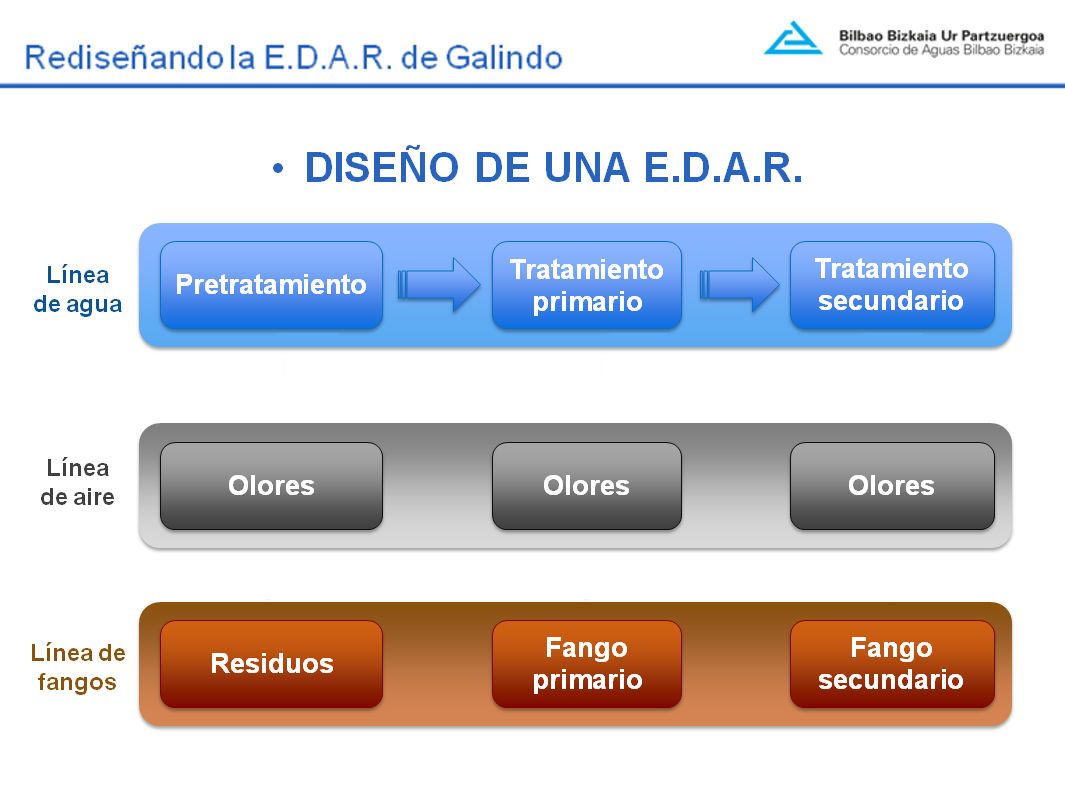 Galindo waste water treatment plant was designed in the 1980s on the plot of a dump in a highly industrialized area. The industrial conversion plan and urban development have remodeled the surrounding landscape, making it an urban established plant, causing conditions to which the plant could not offer solutions.
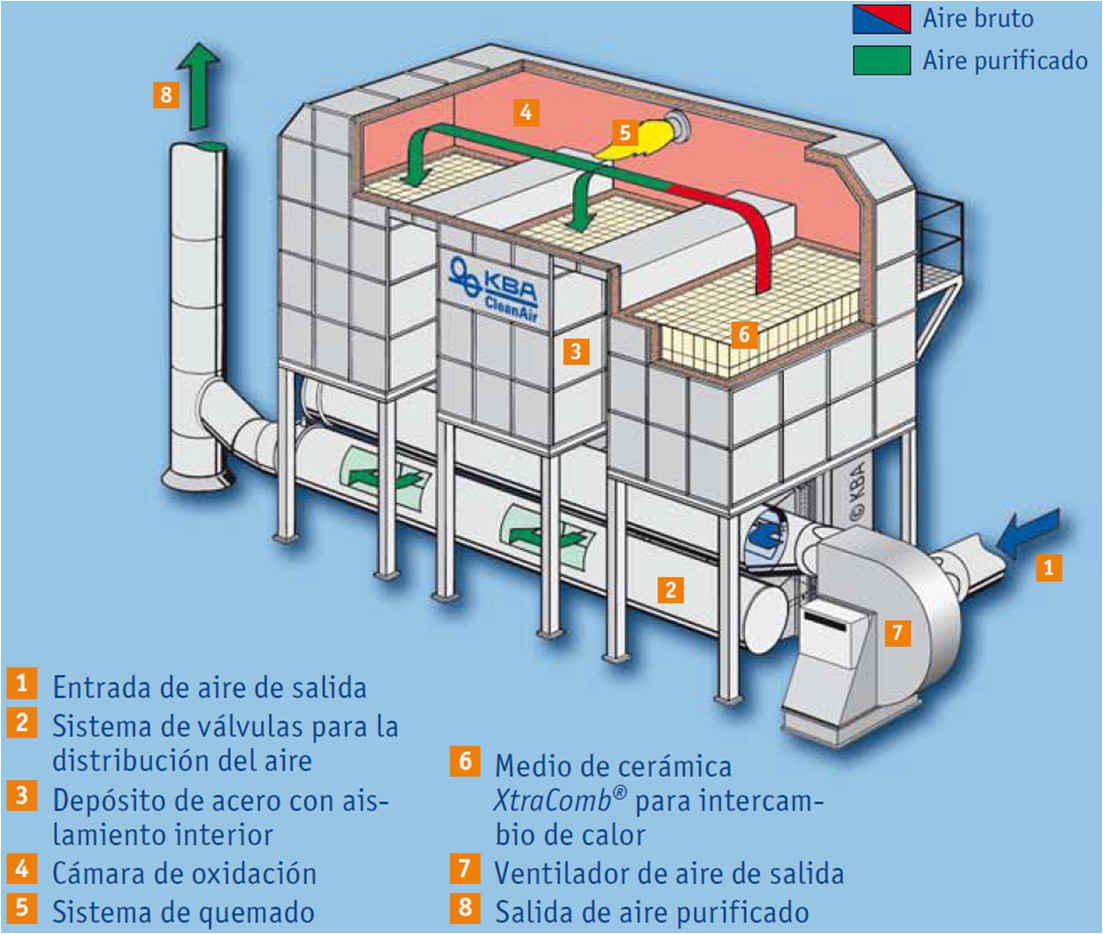 The rendering sector that transforms the animal by-products into grease and protein flour is one of most problematic industry due to the odors generated by the activity process. For this reason, most of the plants are located in isolated areas far from population and even far from other industries. In this Case Study, the location very near a urban area, required the implementation of a solution.