There is no translation available.
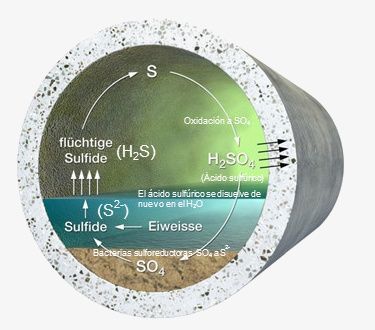 Sewervac new mathematical modeling tool for the sulfur ion allows to model the routes of the sulfide ion to identify at which points we will have the highest sulfide’s concentrations and consequently hydrogen sulphide (H2S), the conversion rates of sulfur to hydrogen sulphide, the origin of the hydrogen sulphide peaks and what it can be done to avoid it.
The continuous investment in R+D has allowed the company Sewervac to present 2.0 version, developing software that provides a much more graphic and intuitive data output.
R. Mateos, J. Chambó *
Sewervac Ibérica S.L., Carrer de Folch de Cardona 2, 46017 Valencia (Spain). Email: ricardo@sewervac; *pepe@sewervac.es
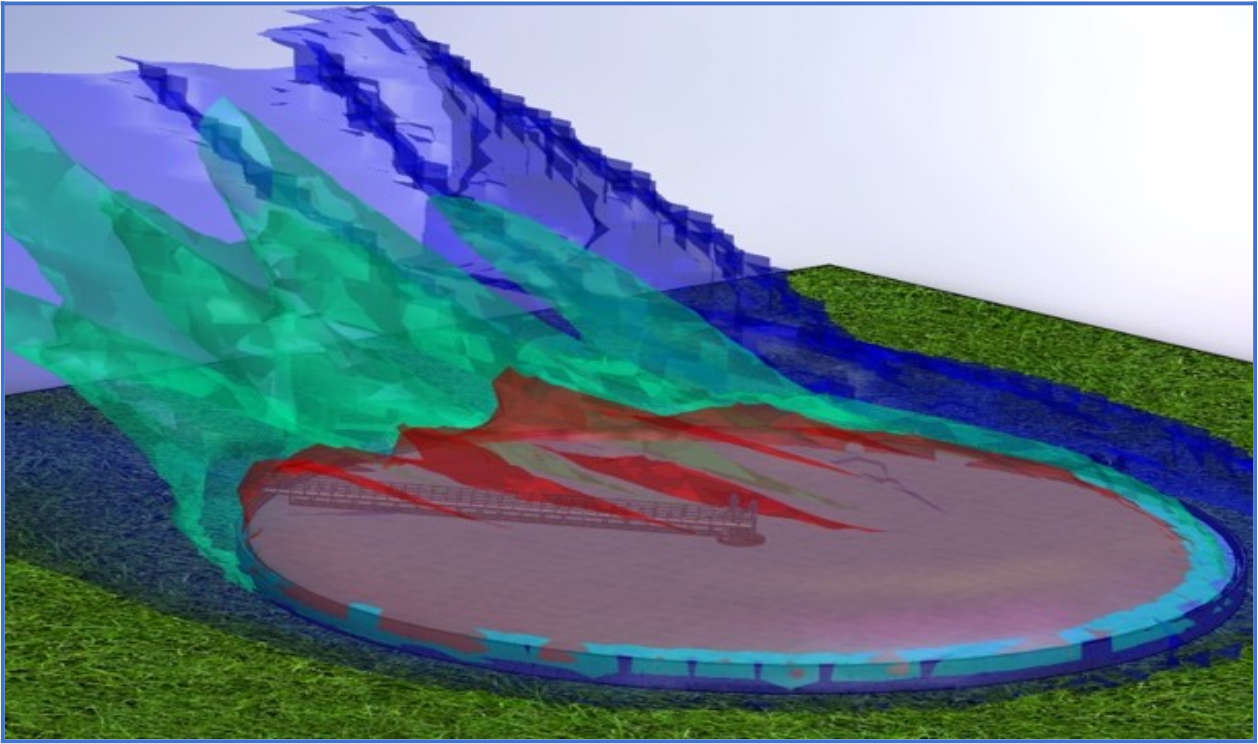
 The USEPA approved in July 2016 an update of CALMET and CALPUFF from V5.8.4 to V5.8.5. This update includes code changes described in Model Change Bulletin H and include fixes to bugs in the implementation of PRIME downwash, along with updates to eliminate specific compilation and list file errors. Three years later after the